
Black truffle, pork and a pasta made without egg
A cooking of the land, lightly dressed and made of few good things.
In a region without a sea you eat what the woods and the fields give: pork, truffle, pulses, oil and bread. Umbrian cooking is poor in the literal sense, that is made of few ingredients, and the result depends almost entirely on the quality of the raw material.
Pork and truffle
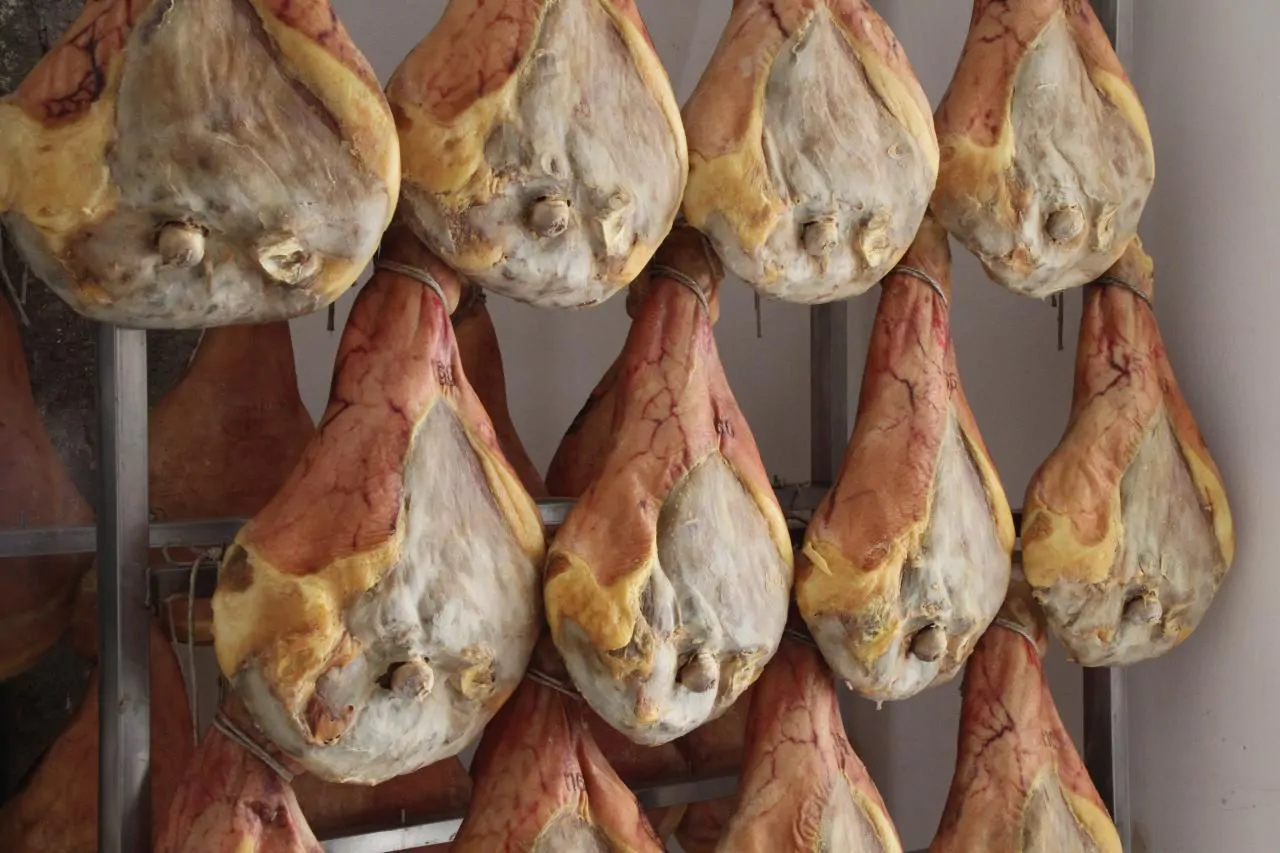
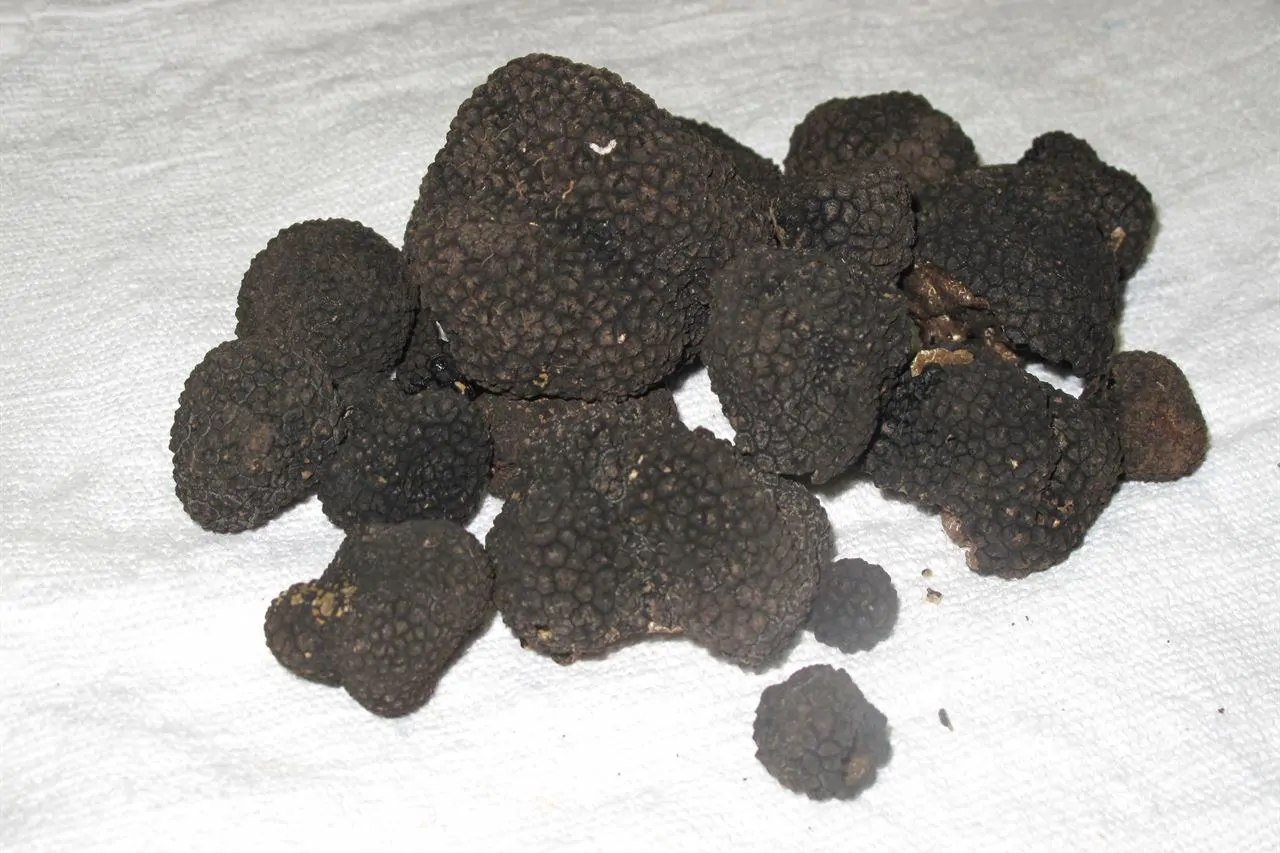
Norcia has worked pork for centuries, and the word norcineria, which across half of Italy means a cured meat shop, comes from there. The ham of Norcia carries the Igp mark, is aged for at least a year and is saltier than the northern ones. In the woods around grows the fine black truffle, gathered from December to March; in summer there is the scorzone, which costs far less.
The pasta and the bread
Strangozzi, elsewhere called stringozzi or strozzapreti, are a long pasta of water and flour without egg, thick and rough: they are dressed with truffle, with tomato or alla norcina, that is sausage and cream. Umbricelli are the round version. The bread is unsalted as in Tuscany, and the torta al testo, cooked on a hot stone disc, is split open and filled.
The pulses and the oil
The lentil of Castelluccio carries the Igp, is very small and does not need soaking; the farro of Monteleone di Spoleto has the Dop; the grass pea and the Trasimeno bean have come back recently. The extra virgin olive oil of Umbria has had the Dop since 1997 in five sub-zones, and it is one of the most bitter and peppery oils in Italy, which is a virtue.
As for meat, besides pork there is Chianina beef in the Tuscan side of the region, lamb, and palomba alla ghiotta, made with the innards of the pigeon.
To drink
Sagrantino di Montefalco is a red from a native grape, tannic and long lived, Docg since 1992, and it is also made sweet as a passito. Torgiano Rosso Riserva is the other Docg. Among the whites, Orvieto, from Grechetto and Procanico, is the best known, and Trebbiano Spoletino is the one the wineries have revived in recent years.